
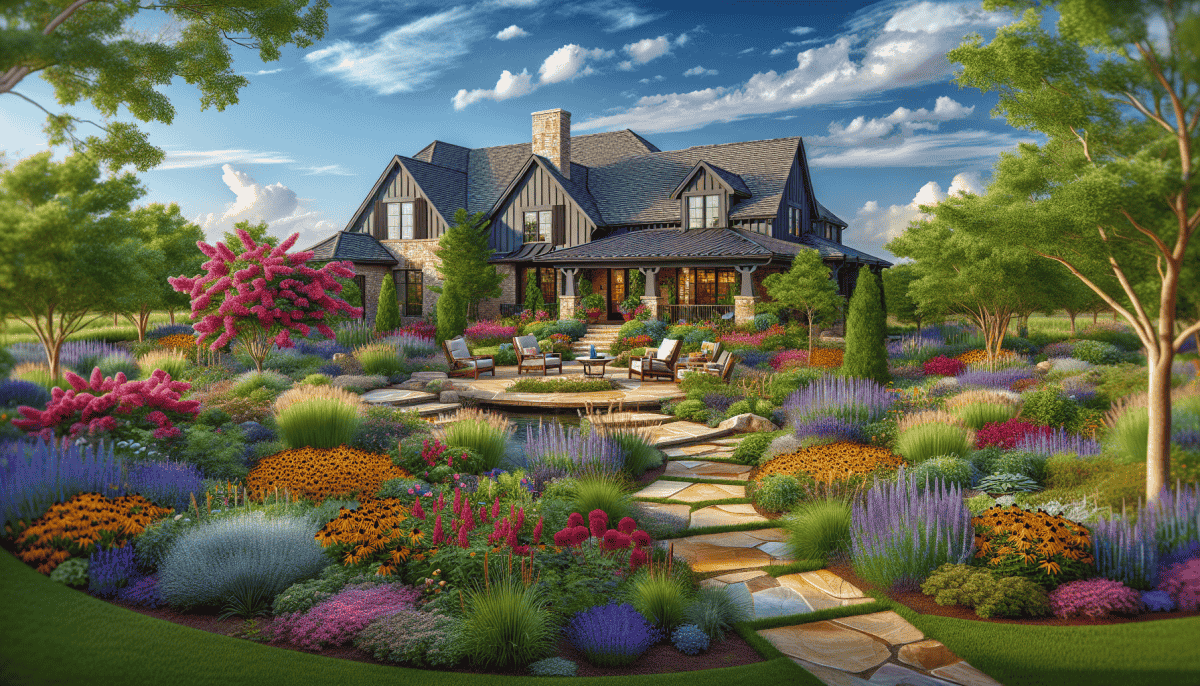
Why Landscaping Matters for Your New Oklahoma Home
Landscaping is more than just a decorative element; it plays a crucial role in enhancing the overall appeal and value of your new Oklahoma home. A well-designed landscape can create a welcoming atmosphere, improve curb appeal, and even increase property value by as much as 10-15%. In a state known for its diverse natural beauty, thoughtful landscaping allows homeowners to connect with their environment while showcasing their personal style.
Moreover, landscaping can significantly impact the functionality of your outdoor space. It can provide shade, reduce energy costs, and create areas for recreation and relaxation. With Oklahoma’s unique climate, which includes hot summers and unpredictable weather, strategic landscaping can help mitigate these challenges. By investing in landscaping, you not only enhance your home’s aesthetic but also create a sustainable and enjoyable outdoor environment.
Choosing the Right Plants for Oklahoma’s Climate
When selecting plants for your Oklahoma landscape, it’s essential to consider the local climate, which is characterized by hot summers, cold winters, and varying rainfall. Native plants are often the best choice, as they are adapted to the local conditions and require less maintenance. Consider incorporating species such as the Eastern Redbud, Black-eyed Susan, and Purple Coneflower, which thrive in Oklahoma’s soil and climate.
Additionally, think about the layout of your garden. Grouping plants with similar water and sunlight needs can create a more cohesive look while simplifying maintenance. For instance, drought-resistant plants like Sedum or Agave can be paired with ornamental grasses to create a low-water-use garden that remains vibrant throughout the summer. Don’t forget to consider seasonal interest; including a mix of perennials, annuals, and shrubs can ensure your landscape looks appealing year-round.
Incorporating Hardscaping: Patios, Walkways, and More
Hardscaping refers to the non-plant elements of your landscape, such as patios, walkways, and retaining walls. These features can enhance the functionality of your outdoor space while adding visual interest. A well-placed patio can serve as an outdoor living area, perfect for entertaining guests or enjoying family meals under the stars. Consider materials that complement your home’s architecture, such as natural stone or pavers, which can provide a rustic yet elegant feel.
Walkways are another critical component of hardscaping. They guide visitors through your garden and can be designed to reflect your style, whether that’s a winding path through flower beds or a straight, modern walkway leading to your front door. Additionally, incorporating elements like benches or fire pits can create inviting spaces for relaxation and socializing. When designing your hardscaping, think about how these features will interact with your landscaping, ensuring a seamless transition between the two.
Sustainable Landscaping: Eco-Friendly Ideas for Your Yard
As environmental concerns grow, many homeowners are looking for ways to make their landscaping more sustainable. Eco-friendly landscaping not only benefits the planet but can also reduce maintenance costs and water usage. One effective strategy is to implement xeriscaping, which involves designing your landscape to minimize water needs. This can be achieved by using drought-resistant plants, mulching to retain moisture, and grouping plants by their water requirements.
Another sustainable practice is to incorporate rain gardens, which are designed to capture and filter rainwater runoff. These gardens can help prevent erosion and reduce water pollution while providing a habitat for local wildlife. Additionally, consider using organic fertilizers and pest control methods to maintain a healthy ecosystem in your yard. By adopting these eco-friendly practices, you can create a beautiful landscape that supports the environment and enhances your home’s appeal.
Bringing It All Together: Creating a Cohesive Outdoor Space
To truly transform your Oklahoma home, it’s essential to create a cohesive outdoor space that harmonizes all elements of your landscaping and hardscaping. Start by establishing a clear design theme that reflects your personal style, whether it’s modern, rustic, or traditional. Consistency in plant selection, color palettes, and materials can help tie your landscape together, creating a unified look.
Consider the flow of your outdoor space. Pathways should lead visitors naturally from one area to another, while seating areas should be strategically placed to take advantage of views and natural shade. Lighting can also play a significant role in enhancing your outdoor space, allowing you to enjoy your landscape even after the sun sets. By thoughtfully integrating plants, hardscaping, and sustainable practices, you can create an outdoor oasis that not only complements your new home but also enriches your lifestyle.