
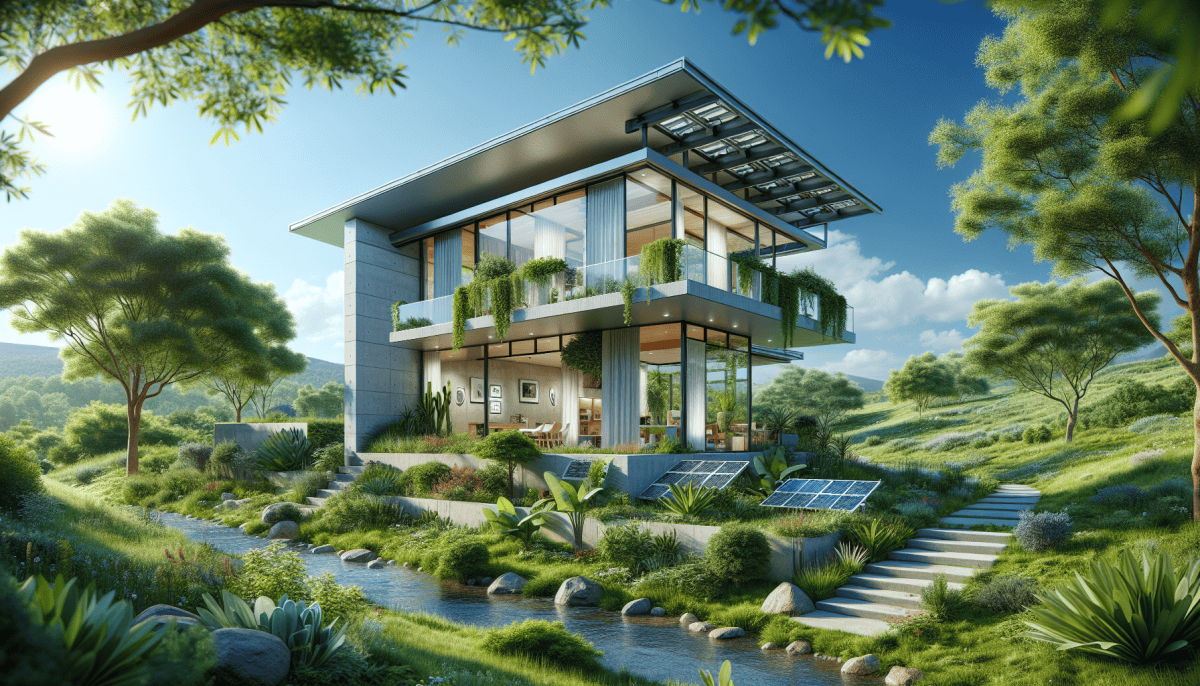
Building a new home in Oklahoma presents a unique opportunity to create an energy-efficient living space that withstands the state’s diverse climate while reducing utility costs. As energy prices continue to rise and environmental concerns grow, incorporating energy-efficient features into your new build has become more crucial than ever. This comprehensive guide explores essential upgrades and strategies to transform your Oklahoma home into a model of sustainability and efficiency.
Why Energy Efficiency Matters for Your New Oklahoma Home
Oklahoma’s climate presents distinct challenges for homeowners, with scorching summers and chilly winters demanding significant energy consumption for comfort. Energy-efficient homes in Oklahoma typically use 20-30% less energy than conventional builds, resulting in substantial utility savings. Beyond the financial benefits, energy-efficient homes provide superior comfort through better temperature regulation and improved indoor air quality.
The state’s exposure to severe weather events makes energy efficiency particularly relevant. During power outages, energy-efficient homes maintain comfortable temperatures longer and require less energy to recover. Additionally, Oklahoma offers various incentives and tax credits for energy-efficient construction, making it an economically sound decision for new homebuilders.
Smart Design Choices: Maximizing Natural Light and Airflow
Strategic design plays a pivotal role in creating an energy-efficient home. Proper orientation of your home can maximize natural light during winter months while minimizing heat gain during summer. South-facing windows with appropriate overhangs can provide optimal passive solar heating and cooling. Consider incorporating features like clerestory windows and solar tubes to reduce reliance on artificial lighting during daylight hours.
Thoughtful window placement and open floor plans can create natural ventilation paths, reducing the need for mechanical cooling. Installing operable windows on opposite walls promotes cross-ventilation, while ceiling heights of 9 feet or higher allow warm air to rise above the living space. These design elements work together to maintain comfortable indoor temperatures naturally.
Choosing the Right Materials: Sustainable Options for Your Build
Material selection significantly impacts a home’s energy efficiency. Advanced framing techniques using structural insulated panels (SIPs) or insulated concrete forms (ICFs) provide superior insulation compared to traditional stick-built homes. High-performance windows with low-E coatings and double or triple panes can reduce heat transfer while blocking harmful UV rays.
Consider using recycled or locally sourced materials to reduce environmental impact and transportation costs. Cool roofing materials with high solar reflectance can decrease cooling loads by up to 15%. Proper insulation in walls, attics, and foundations is crucial, with spray foam insulation offering excellent air sealing properties particularly suited to Oklahoma’s climate.
Innovative Technologies: Energy-Efficient Appliances and Systems
Modern technology offers numerous options for reducing energy consumption. Smart thermostats learn your preferences and automatically adjust temperatures for optimal efficiency. Energy Star certified appliances use significantly less electricity than standard models, with some reducing energy consumption by up to 50%.
High-efficiency HVAC systems, particularly those with variable-speed motors and zoning capabilities, provide precise temperature control while minimizing energy use. Heat pump water heaters can be three times more efficient than traditional units. Solar panel integration, becoming increasingly affordable in Oklahoma, can significantly offset or eliminate electricity costs while taking advantage of the state’s abundant sunshine.
Long-Term Benefits: Cost Savings and Environmental Impact
The initial investment in energy-efficient features typically yields returns through reduced utility bills within 5-10 years. Oklahoma homeowners with energy-efficient builds report average annual savings of $500-1,500 on utility costs. These homes also maintain higher resale values, with studies showing they command a 2-8% premium over conventional properties.
Beyond financial benefits, energy-efficient homes significantly reduce carbon emissions. A typical energy-efficient home in Oklahoma can reduce carbon dioxide emissions by 2-3 tons annually compared to standard construction. This reduction contributes to cleaner air and a healthier environment for future generations while establishing Oklahoma as a leader in sustainable residential construction.