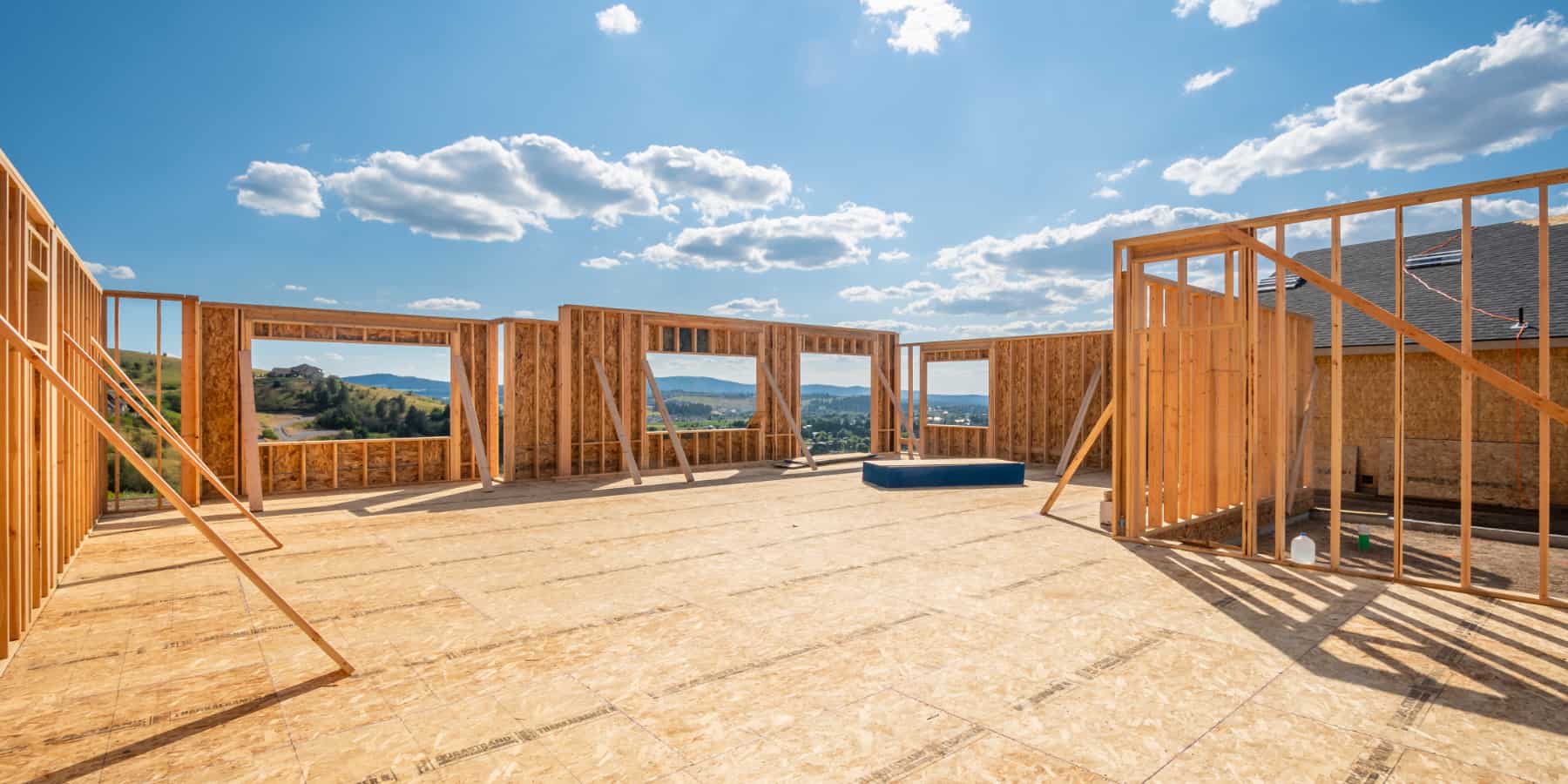
Framed walls up in new home construction

13 Questions to Ask Your New Home Builder

There are lots of contractors to choose from when building a home or adding an extension to an existing one. There are also enough horror stories about bad contractors to make anyone considering a building project hesitant in whom they hire.

While we can’t guarantee that the building contractor you work with will be on Mike Holmes level, we can provide you with a list of questions to ask that will hopefully help you weed out any bad prospects.

Ask Your Builder or Remodeling Contractor These Questions

#1 Do you have references from recent projects you've completed that I can contact?

While national builders, for the most part, have lots of reviews you can read online to get an idea of how good or bad they are, this step is more important when hiring smaller builders without as much recognition.

#2 How much can I customize the build versus using standard features?

Though national builders typically have what are referred to as “cookie-cutter” tract homes, many have semi-flexible floor plans to choose from. A custom builder will most certainly be able to construct whatever your heart desires.

#3 Do you offer financing on new builds?

Sometimes home builders are able to provide better loan terms than traditional lenders, but be sure to do your due diligence when researching mortgage loans.

#4 Can I upgrade (or downgrade) the home's appliances?

With a custom builder you can certainly pick which appliances or brands are to be installed; however, national builders often have contracts with specific appliance manufacturers – limiting your options.

#5 What additional fees am I facing in regard to the home purchase?

While most reputable builders are forthcoming with any hidden fees, you may be on the hook for closing costs, earnest money, and escrow fees. Additionally, you might want to know what your utilities will cost on a monthly basis.

#6 Is there an HOA and if so, how much does it cost annually?

While most HOAs are fairly reasonably priced, some are outrageous. So it doesn’t hurt to ask and to understand what exactly is covered with the fees paid.

#7 Does the new build have a warranty and if so, what does it cover and for how long?

Most new homes have a warranty, but not all warranties are created equally. Be sure to ask your builder what is covered and the time frame associated with the coverage.

#8 Do you include landscaping and if so, what if any plants die within the first year of ownership?

As an added incentive, you’ll find many larger builders offering front- and back-yard landscaping. However, what happens if the plants immediately die? Will they cover the expense to replace them?

#9 Does the property have any restrictive covenants?

A restrictive covenant can prohibit the use of neighboring land to protect the value and enjoyment of adjoining land (such as your new home community). It doesn’t hurt to see if the nearby nature preserve will remain undeveloped.

#10 How much will I be paying in property taxes?

Property taxes vary from municipality to municipality throughout the country. Be sure to ask your builder what the property taxes are in the area and it doesn’t hurt to do your own research too.

#11 Do you know of any major development plans for the area over the next several years?

Major construction projects can be beneficial or detrimental to one’s property value. For example, many people want to have a multi-functional shopping center nearby while most would prefer a power plant isn’t in the works.

#12 What ratings do local schools have?

While this is mostly an aspect of home buying that affects buyers with children, knowing how good your local schools are can be an indication of other area traits, such as crime.

#13 How far away from emergency services, like police, fire, and medical care, is the development?

You want to make sure that if there is an emergency, you won’t have to wait too long for first responders. Similarly, if you have to make a hospital trip, you don’t want to have to drive too far.
Home Buying Tips text on phone laying in grass next to wooden carving of a house.

3 Additional New Home Buying Tips

If you plan on buying a home, new or preowned, the following advice applies to you.

1. Start Saving Early

Determine how much you’ll need to pay for a down payment. There are some conventional loans and government-backed programs that allow buyers to put as little as 3 percent down; while some builders charge zero down payment.

2. Figure Out What You Can Afford

This may seem like a fairly obvious step along the process; however, as we saw with the subprime mortgage crisis of 2008, thousands of homebuyers ended up with mortgages they simply couldn’t afford. Don’t let this happen to you. Do your homework.

3. Get Your Credit in Order

A good credit score has a lot of benefits, especially when shopping for mortgage rates. There are a number of free services that allow you to pull your credit report. Take advantage of one of these and avoid any that ask for a credit card number upfront. Make sure there’s nothing that could be hindering your score and be sure to take care of any negative aspects of the report as quickly as you can.

Ask a Real Estate Professional for Help

If you’re unsure in any way, shape, or form about the information herein, don’t hesitate to contact a real estate professional. Experienced real estate agents know the drill and they’ll be able to advise you at every stage of the home buying process.